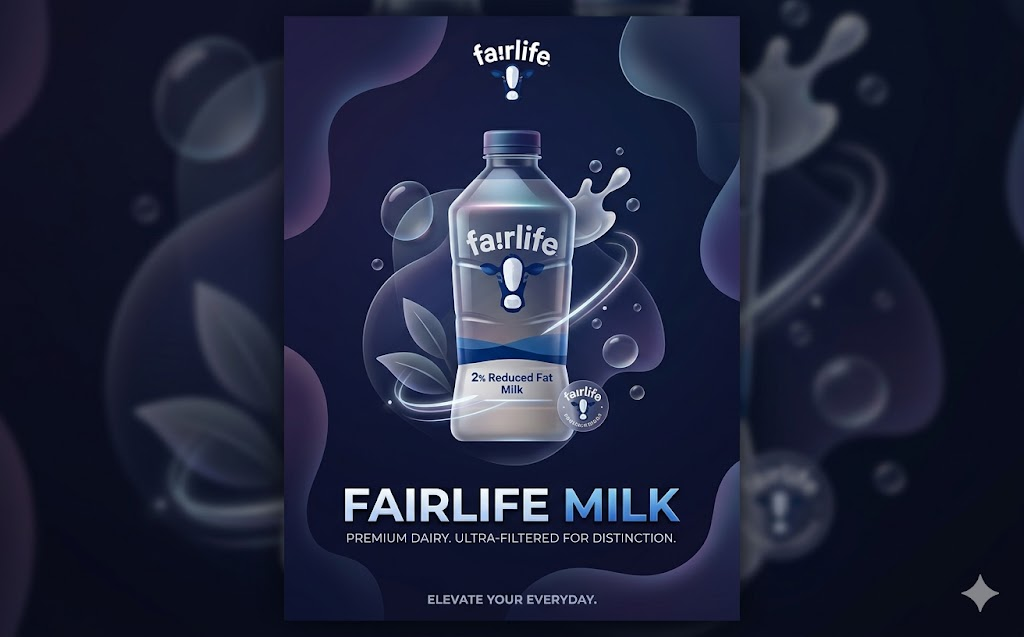
Milk has long been a staple in human diets, valued for its rich nutrients and versatility in daily consumption. In recent years, a new category of ultra-filtered milk has gained attention for offering enhanced nutrition with improved digestibility and taste. Among these, Fairlife Milk has become one of the most recognized options in global dairy markets. It is designed to provide higher protein, lower sugar, and lactose-free benefits compared to regular milk, making it appealing for health-conscious consumers. Many people today are looking for healthier alternatives without compromising taste, and this milk fits into that demand perfectly. Whether used in coffee, smoothies, or simply consumed on its own, it offers a creamy texture with a nutritional edge. Understanding its composition, benefits, and uses can help consumers make informed dietary choices that align with their fitness and wellness goals.
What is Fairlife Milk
Fairlife Milk is an ultra-filtered dairy product created through a specialized filtration process that separates milk into its basic components: water, protein, fats, vitamins, and lactose. After separation, the components are carefully recombined to enhance nutritional value while reducing unwanted elements like excess sugar and lactose. This process results in a milk that is richer in protein and calcium compared to standard milk. It also contains significantly less sugar, making it suitable for people who want to manage their carbohydrate intake. The brand has positioned itself as a premium dairy option focused on nutrition, taste, and digestibility. Unlike traditional milk, it is lactose-free, which makes it easier to consume for individuals who are lactose intolerant. This innovation has allowed it to reach a wide audience, from athletes to everyday consumers seeking better nutritional balance in their diet.
Nutritional Profile of Fairlife Milk
One of the most appealing aspects of Fairlife Milk is its enhanced nutritional profile. It typically contains more protein per serving than regular milk, which supports muscle growth and recovery. This makes it especially popular among fitness enthusiasts and athletes. The sugar content is significantly lower due to the filtration process that removes much of the lactose, naturally occurring sugar in milk. At the same time, it retains essential nutrients such as calcium, vitamin D, and potassium, which are crucial for bone health, immune support, and overall body function. The fat content can vary depending on the type chosen, such as whole, reduced-fat, or skim versions. Despite these variations, the milk maintains a creamy texture that many consumers find superior to traditional options. This balance of nutrition and taste is one of the key reasons for its rising popularity.
Health Benefits of Fairlife Milk
The health benefits of Fairlife Milk extend beyond basic nutrition. Its high protein content supports muscle repair and growth, making it beneficial for individuals engaged in physical training or active lifestyles. The reduced sugar content helps in managing blood sugar levels, which is particularly useful for those monitoring their carbohydrate intake. Since it is lactose-free, it provides a comfortable dairy option for people with lactose intolerance, eliminating digestive discomfort commonly associated with regular milk. Additionally, the presence of calcium and vitamin D contributes to stronger bones and teeth, reducing the risk of bone-related conditions over time. The balanced nutrient profile also supports overall energy levels, making it a good choice for breakfast or post-workout recovery. Its digestibility and nutrient density make it a practical addition to a wide range of dietary plans.
Comparison with Regular Milk
When comparing Fairlife Milk to regular milk, several differences become clear. Regular milk naturally contains lactose, which can cause digestive issues for those who are lactose intolerant, whereas Fairlife Milk is processed to remove lactose entirely. In terms of protein content, Fairlife Milk offers a higher concentration, which gives it an advantage for muscle building and satiety. Regular milk typically contains more natural sugars, while Fairlife Milk reduces this sugar content through filtration, making it more suitable for low-sugar diets. Both types of milk provide calcium and essential vitamins, but Fairlife Milk often enhances these nutrients through its processing method. Taste is another factor where differences are noticeable, as many people find Fairlife Milk to be creamier and smoother. However, regular milk remains a more traditional and widely accessible option. The choice between the two depends largely on personal health goals and dietary needs.
Who Should Drink Fairlife Milk
Fairlife Milk is suitable for a wide range of individuals due to its modified nutritional structure. Athletes and fitness enthusiasts benefit from its high protein content, which supports muscle recovery and strength building. People who are lactose intolerant can also consume it without experiencing digestive discomfort, making it a valuable alternative to traditional dairy. Those trying to reduce sugar intake may find it helpful for maintaining balanced blood sugar levels. It is also a good option for children and teenagers who need essential nutrients for growth, as well as adults seeking a healthier dairy option. However, individuals with specific dietary restrictions or medical conditions should consult a healthcare professional before making it a regular part of their diet. Overall, its versatility makes it suitable for most age groups and lifestyles.
Potential Concerns of Fairlife Milk
Despite its benefits, there are a few considerations to keep in mind when consuming Fairlife Milk. One concern is that it is more processed than regular milk due to the filtration system used to enhance its nutritional profile. Some consumers prefer more natural, less processed food options. Another consideration is its price, which is generally higher than standard milk, making it less accessible for some households. While it is lactose-free, individuals with dairy allergies should still avoid it, as it is still a milk-based product. Additionally, although it has reduced sugar, it is not completely free of carbohydrates, which may be relevant for strict low-carb diets. Being aware of these factors helps consumers make balanced decisions based on their health priorities and budget.
How to Use Fairlife Milk in Daily Diet
Fairlife Milk can easily be incorporated into everyday meals and beverages. It can be consumed directly as a drink, offering a refreshing and nutritious option throughout the day. It works well in coffee and tea, providing a creamy texture without overpowering sweetness. Many people use it in smoothies to boost protein content and improve consistency. It can also be used in cooking and baking, replacing regular milk in recipes such as pancakes, oatmeal, and sauces. For fitness-focused individuals, it can be consumed after workouts to support muscle recovery. Its versatility makes it a practical ingredient in both simple and complex recipes. Because of its improved nutritional profile, it enhances the health value of meals without requiring major changes to eating habits.
Conclusion
Fairlife Milk has established itself as a modern dairy alternative that combines nutrition, taste, and digestibility in a single product. Its ultra-filtration process enhances protein content while reducing sugar and eliminating lactose, making it suitable for a wide range of consumers. From fitness enthusiasts to individuals with lactose intolerance, it offers multiple benefits that align with different health goals. While it is slightly more processed and expensive than regular milk, its nutritional advantages often outweigh these concerns for many users. By understanding its properties and uses, consumers can decide whether it fits into their dietary lifestyle. As health awareness continues to grow, products like Fairlife Milk are likely to remain popular choices in the evolving world of nutrition.